EP49 – Why Does Your Skin Age Faster After 40? The Answer Starts Long Before Skincare
“We need to recognize that aging itself is an inflammatory disease process — and once we change that thought process and treat it truly as a disease, everything in how we care for patients will change.” — Dr. Suzan Obagi, MD
In this episode, Dr. Daria Hamrah sits down with Dr. Suzan Obagi, a board-certified dermatologist and cosmetic surgeon, Associate Professor at the University of Pittsburgh Medical Center, and former President of the American Academy of Cosmetic Surgery. Together they ask a question most in the field are afraid to ask out loud: are we actually treating aging, or just managing the way it looks? In this post, we explore the real biological drivers of aging, why hormones are the most overlooked piece of the puzzle, what longevity science means for aesthetic practice today, and what patients can do right now to age better from the inside out.
Subscribe on: APPLE PODCASTS | SPOTIFY | YOUTUBE | IHEART
Understanding the Current Paradigm in Aesthetic Medicine [03:57]
For decades, the focus of aesthetic medicine has been almost entirely on the visible signs of aging. Wrinkles, volume loss, skin laxity, pigmentation. The tools we have today are incredible and we have gotten very good at using them. But a bigger, more uncomfortable question keeps coming up. Are we truly treating aging, or are we just managing the way it looks?
As Dr. Daria Hamrah put it at the start of this conversation, we have been treating the smoke without addressing the fire underneath. The real drivers of aging are what is happening at the cellular level, and those rarely come up in a consultation room.
The Traditional Focus: Managing Appearances
Why This Matters: Aesthetic practitioners have been trained to focus on what is visible. Treatments involve lasers, injectables, and skincare products aimed at correcting what can be seen. While these treatments can provide real improvements, they do not address why the aging is happening in the first place.
Dr. Obagi’s Insight: “Up until this point, we fix what we see. And I think those of us who are at our age are coming into the point where we are starting to reflect and say, I want to live a longer health span.”
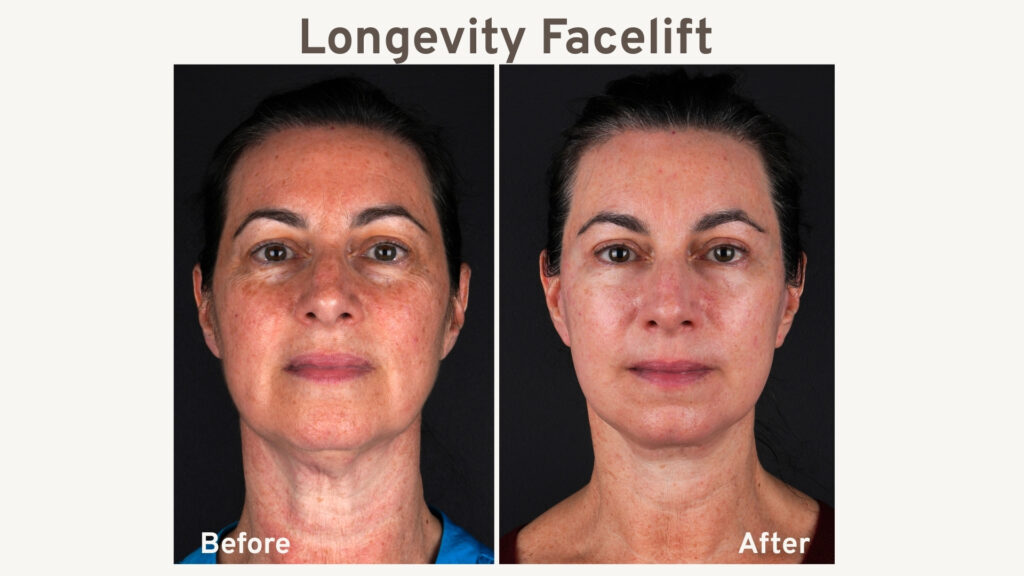
Examples of aging treatments and their results. Dr. Daria Hamrah’s Deep Plane Facelift (Longevity Facelift). View more results at drdariahamrah.com/longevity-facelift/
source: https://drdariahamrah.com/longevity-facelift/
Why This Needs to Change
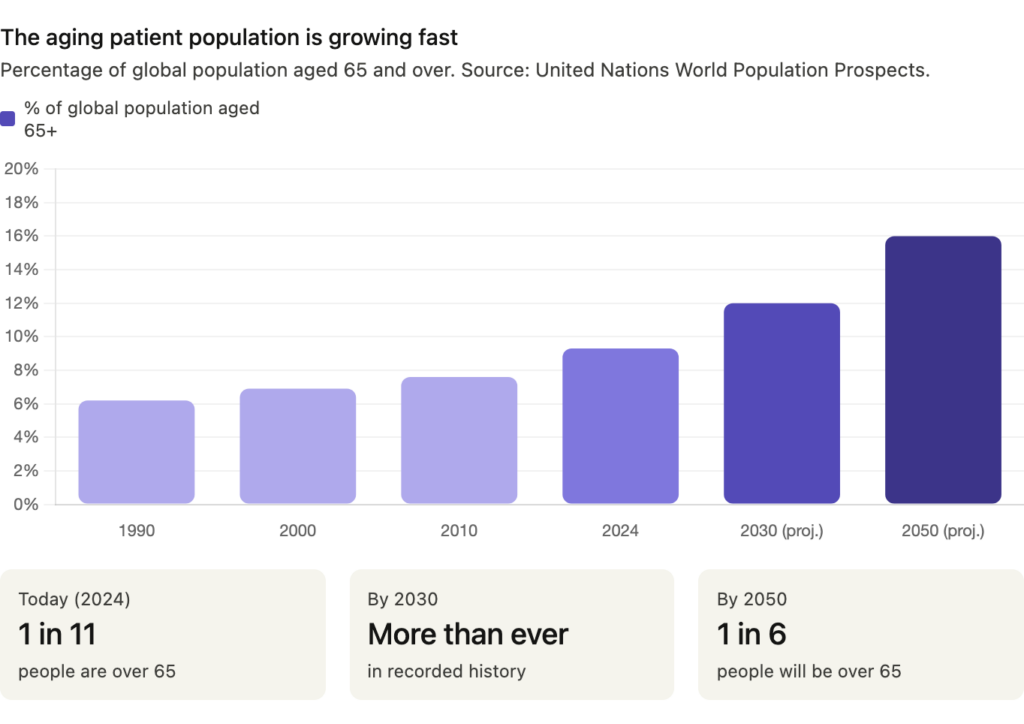
Why This Matters: By 2030, more people will be over the age of 65 than at any time in history. By 2050, the majority of aesthetic patients will be in that age group. The field has to evolve to meet them where they are, not just fix what shows on the surface.
Dr. Hamrah’s Perspective: The question is not just how long people are going to live. It is how well they are going to live. That shift in thinking, from lifespan to healthspan, is at the heart of this entire conversation.
The Deeper Drivers of Aging [15:11]
Most people assume their skin just gets older. But there is a real biological process driving it and understanding it changes how you approach everything from your daily skincare to major surgery.
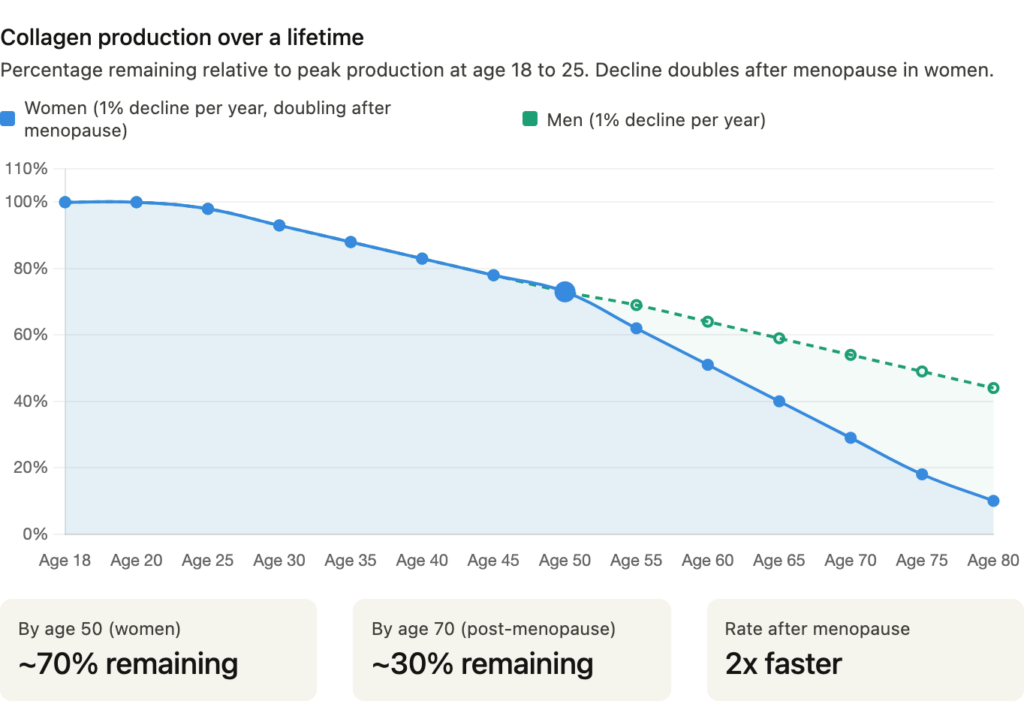
Your skin is built around three key proteins. Collagen gives skin its firmness and thickness. Elastin gives skin its bounce back, the snap when you pull it away from your face. Glycosaminoglycans act like sponges that pull water into the skin and keep it hydrated.
Here is what most people do not know. Your body reaches peak production of all three of these proteins somewhere between age 18 and 25. After that, production declines by about 1% every single year. By the time you go from 20 to 50, you have lost roughly 30% of your skin’s structural proteins. That is not cosmetic. That is biology.
Cellular Aging: The Real Culprit
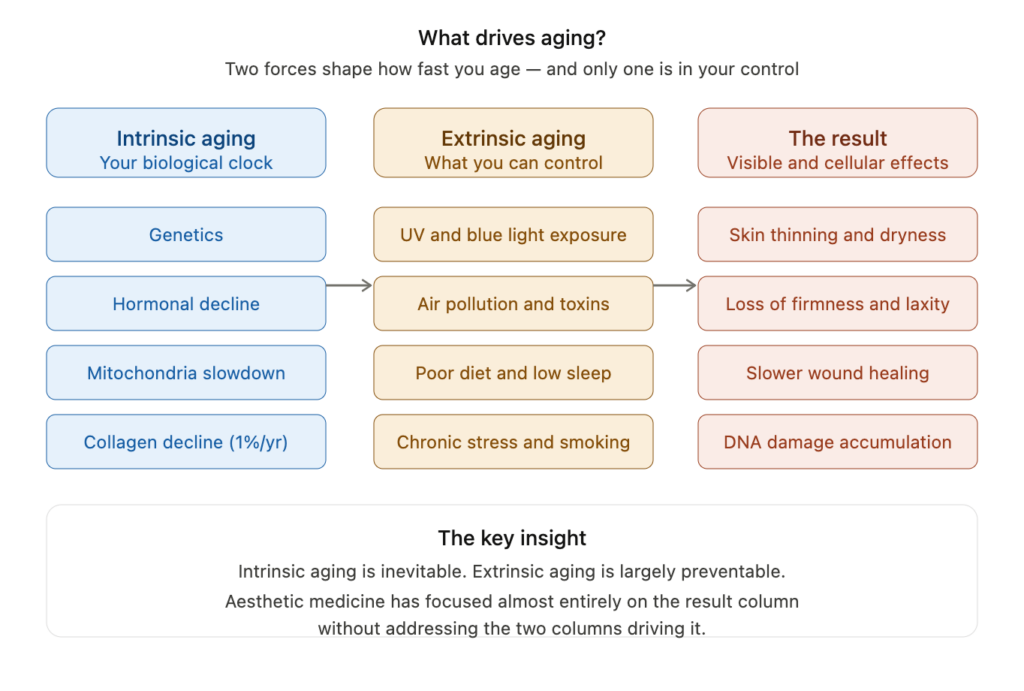
Why This Matters: Three biological factors drive most of what we see as aging. First, chronic inflammation affects how skin heals and how collagen behaves. Second, hormonal changes, especially the dramatic drop in estrogen during menopause, accelerate every visible sign of aging. Third, mitochondrial function declines as we age, reducing the energy your cells need to repair and renew themselves.
Dr. Obagi’s Insight: “We are born with a set of DNA and genes. But if you check our genes today, we are different than what we were born with. That is because the environment has caused changes in our DNA from the damage that has accumulated over time.”
A Shift in Perspective
Why This Matters: To truly address aging, we need to shift focus from treating visible signs to understanding and addressing the underlying biological factors. This means lifestyle modifications, dietary changes, hormone health, and medical interventions aimed at improving overall health, not just appearance.
Dr. Obagi’s Insight: “We need to address the root cause, not the symptom. We should be looking at why it is happening.”
Related reading: Spring Skincare Tips: Refresh Your Routine for the Season
Integrating Longevity into Aesthetic Practices [26:03]
As the landscape of aesthetic medicine evolves, there is a growing understanding of how important it is to treat the whole patient, not just the surface. Dr. Obagi and Dr. Hamrah both practice this way. They build long term relationships with their patients, address their health before recommending procedures, and see better results because of it.
The Hormone Connection Nobody Is Talking About
Why This Matters: Estrogen is not just a reproductive hormone. Every single cell in your body has estrogen receptors. The cells that make collagen, the cells that control immune response, the blood vessels that carry nutrients to your skin, your brain cells, and your joint cells. When estrogen drops, all of those systems feel it. And given how long women live today, they can expect to spend about 40% of their entire lives in perimenopause or postmenopause. That is nearly half a lifetime of accelerated biological change that most aesthetic practices are not addressing at all.
Dr. Obagi’s Insight: “Every cell in your body has estrogen receptors. The minute you take away that estrogen, all of a sudden women have more autoimmune diseases, more joint issues, cognitive decline, increased risk for cardiac disease. Now I do not want to downplay the risk of estrogen in terms of breast cancer, but that risk is always there and you have to tailor the approach to the patient’s history.”
Related reading: The Power of Creatine Monohydrate: More Than Muscle
External Source: Estrogens and Aging Skin — National Institutes of Health (NIH)
Incorporate Hormone Management
Why This Matters: For many women, hormone replacement therapy can significantly enhance skin health, improve wound healing after surgery, and improve overall treatment outcomes. Dr. Hamrah has directly observed that patients who come in with optimized hormones heal faster, have less swelling and bruising, and maintain their results longer.
Dr. Hamrah’s Observation: “I have two groups of patients. The ones that are on a longevity journey, that have had their hormones regulated and optimized, they look amazing, they feel amazing. Post-operatively everything is so smooth. And then I compare it to the others. The science backs it up.”
Focus on Systemic Health Before Any Procedure
Why This Matters: Before any aesthetic procedure, evaluating a patient’s overall health ensures better healing and longer lasting results. Within 12 hours of surgery, the body releases enzymes that break down collagen as part of the healing response. Estrogen helps regulate and control that process. Without enough estrogen, healing can be significantly delayed, and that applies to both women and men.
Dr. Obagi’s Insight: “Even when we are doing surgery, there is a role for really managing the patient’s systemic health prior to starting so that they actually heal better and the results last longer.”
What You Can Do Right Now: The Skincare Conversation [46:00]
Hormone health often requires a specialist, but there are things every patient can start today. Dr. Obagi has been at the center of evidence based skincare for decades. Her family’s legacy through Obagi skincare has shaped how the entire industry approaches skin science. Here is the daily routine she recommends and practices herself.
The Daily Skincare Routine That Actually Works
Why This Matters: Most people approach skincare reactively, reaching for products after visible aging has already progressed. A consistent, science based routine built on the right ingredients can meaningfully slow the process. But consistency is everything. Skin cycles take six weeks. To see real results you need at least 18 weeks of daily commitment. There is no shortcut.
Dr. Obagi’s Approach: “There is no quick fix. The only way to get the biggest return is to prepare your skin well in advance so that when you have a procedure done, your results are even better. And then go back on your skincare so the results are maintained. Your best investment is your skincare.”
In the morning, cleanse well to remove overnight buildup and environmental residue. Apply a well formulated vitamin C serum, also known as L-ascorbic acid, as an antioxidant. Most people only apply this in the morning but Dr. Obagi recommends applying it twice a day because your supply gets used up as it works. Follow with a moisturizer and finish with a mineral sunscreen containing zinc oxide or titanium dioxide every single day, even indoors. Blue light from screens still reaches your skin and the average American spends over four hours a day on their devices.
In the evening, cleanse again, reapply your antioxidant serum, and use retinoids. Retinoids work by turning back on the genes that drive collagen production, the same ones that slow down as we age. The right type depends on your age and skin sensitivity.
Related reading: Spring Skincare Tips: Refresh Your Routine for the Season
What Is Next: The Future of Longevity Medicine [1:03:35]
Some of the most exciting developments in this space sound like science fiction but they are not. Research labs funded by serious private investment are moving fast on several fronts.
Longevity Science Worth Knowing About
Why This Matters: The future of aging treatment is not in better lasers or more advanced fillers. It is in understanding and modifying the biological process of aging itself. Several compounds and discoveries are already in active research.
NMN, or Nicotinamide Mononucleotide, is a compound being studied by researchers like David Sinclair at Harvard for its effects on mitochondria, the energy producing parts of your cells. As we age, mitochondrial function declines and NMN may help support that energy production. Research is promising but large clinical studies are still needed.
Rapamycin and Rapalogs were originally used to prevent organ rejection in transplant patients. When used in low, intermittent doses, rapamycin has shown interesting results in longevity research and several companies are now developing refined versions specifically for aging.
Yamanaka Factors are perhaps the most remarkable discovery of all. In 2006, Japanese scientist Shinya Yamanaka discovered proteins that can essentially turn back a cell’s internal clock and revert it to a more youthful state. He won the Nobel Prize in Medicine in 2012 for this. Companies are now exploring how to use very small amounts of these factors to make aging cells behave younger without the risks of full cellular reprogramming. They have cured blindness in mice and reversed gray hair in animal studies.
Dr. Obagi’s Insight: “I would love to have more than just one doctor or one scientist saying this is what you should take. I would rather see a long term study, prospective, placebo controlled, looking at people who take it versus people who do not. So we can speak scientifically about it the same way we speak about every other disease process.”
The Bottom Line [1:14:02]
Here is what Dr. Obagi said near the end of our conversation, and it is the single best piece of advice in this entire discussion.
If you are in your 40s or 50s right now and you love skiing, playing tennis, gardening, or anything else that matters to you, the only way you are going to make sure you can keep doing those things in your 60s, 70s, 80s, and 90s is to take care of yourself today.
You cannot live for tomorrow. You have to live for today. For Dr. Hamrah, it comes down to four things: sleep, nutrition, exercise, and mindfulness. If you get those right, everything else including any aesthetic treatment you choose to have will work better and last longer.
As Dr. Hamrah always tells his patients: if something is good for your skin, it is also good for your brain, your heart, your lungs, and your entire body. These things are not separate. They are connected. The future of aesthetic medicine is understanding that connection and treating the whole person, not just the surface.
Key Takeaways
- Aesthetic medicine needs to evolve from treating appearances to addressing the root causes of aging. For decades the field has focused on visible symptoms without asking why they are happening in the first place.
- Understanding biological factors such as inflammation, hormonal changes, and mitochondrial function is crucial. These are the real drivers of how fast you age and how well your body heals after any procedure.
- Practitioners should educate patients on lifestyle changes and consider hormone management as part of the treatment plan. Patients who are optimized before surgery heal better, recover faster, and maintain their results longer.
- A consistent science based skincare routine built around antioxidants, retinoids, and mineral SPF can meaningfully slow the visible aging process when practiced daily over time.
- The future of longevity science, from NMN to Yamanaka factors, is moving fast and is backed by serious research and serious private funding. The field is evolving and it is evolving quickly.
- In a world where aging is often treated as something to be hidden, this conversation is a reminder that the most powerful approach is to address it at the source. By understanding the biology and engaging with your overall health, you can age better in every way that matters.
Frequently Asked Questions
What are the main causes of aging?
Aging is influenced by intrinsic factors such as genetics and hormonal changes, as well as extrinsic factors like environmental influences and lifestyle choices. Chronic inflammation, declining estrogen, and reduced mitochondrial function are among the key biological drivers.
How can I slow down the aging process?
Adopting a healthy lifestyle including a balanced diet, regular exercise, quality sleep, and managing stress can help slow down the aging process significantly. Addressing hormonal health is also crucial, especially for women in perimenopause and postmenopause. A consistent, science based skincare routine is one of the most practical steps you can take today.
Is aesthetic medicine only about appearance?
While aesthetic medicine has traditionally focused on visible signs of aging, there is a growing movement to address the underlying biological factors that contribute to aging and promote overall health and longevity. Practitioners like Dr. Hamrah and Dr. Obagi are leading that shift.
What is the difference between lifespan and healthspan?
Lifespan is how long you live. Healthspan is how long you live well, physically strong, mentally sharp, and free from chronic disease. The goal of longevity medicine is to extend healthspan, not just add years to your life.
What are the early signs of hormone decline I should pay attention to?
For women, watch for increasing skin dryness, loss of firmness especially in the neck and lower face, new fine lines in areas that did not have them before, mood changes, sleep disruption, and joint discomfort. These can begin as early as your late 30s. If you are noticing these changes, it is worth speaking with a doctor who specializes in hormonal health rather than dismissing them as normal aging.
How long does it take to see results from a good skincare routine?
Skin cells complete one full cycle approximately every six weeks. You should start to see initial improvement around that mark if you are being consistent. For more meaningful results, give it three full cycles, which is about 18 weeks. There is no shortcut.
Sign up for our newsletter
Follow Dr. Daria Hamrah
Join a community of over 445K people who prioritize longevity, optimal health, and cellular wellness. As a leading expert in facial cosmetic surgery and anti-aging medicine, Dr. Hamrah shares insights on aging, surgical and non-surgical solutions, and how to make informed choices for your health, beauty, and overall well-being.